
The Artistry of Floristry: Crafting Beauty One Petal at a Time
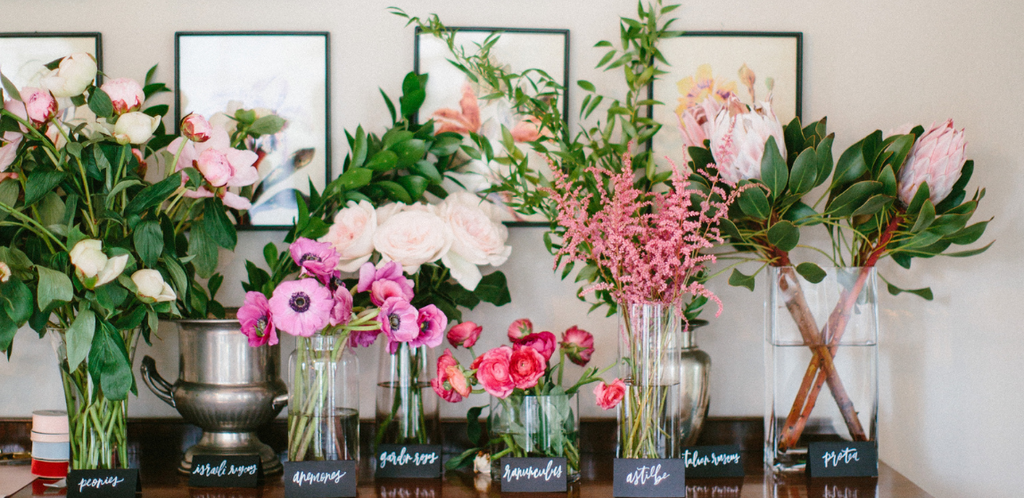
Flowers have long been celebrated for their ability to convey emotions, enhance spaces, and bring joy to people’s lives. At the heart of this floral enchantment lies the florist, a skilled artisan who transforms blooms into breathtaking arrangements. Let’s delve into the captivating world of floristry, exploring its rich history, the creative process, and the enduring appeal of floral design.
A Blossoming Tradition: The History of Floristry
Floristry traces its roots back through centuries of human civilization. Ancient cultures, from the Egyptians to the Greeks and Romans, revered flowers for their symbolic significance in rituals and ceremonies. However, it was during the European Renaissance that floristry began to evolve into a distinct art form, with floral arrangements adorning palaces, churches, and grand estates.
In the 19th century, floristry blossomed further with the rise of floral shops and the establishment of floral design as a profession. Pioneers like Constance Spry and Carl Rittner elevated floristry to new heights, emphasizing the importance of creativity, craftsmanship, and botanical knowledge in floral design.
The Flourishing Craft: The Work of a Florist
Behind every stunning bouquet or elaborate centerpiece is the skilled hand of a florist. These artisans possess a keen eye for color, shape, and texture, as well as a deep understanding of botanicals. Their work begins with selecting the finest blooms, considering factors such as freshness, longevity, and seasonality.
Next comes the creative process, where the florist combines flowers, foliage, and accents to compose harmonious arrangements. Whether it’s a romantic wedding bouquet, a cheerful birthday arrangement, or a somber sympathy wreath, the florist infuses each creation with meaning and emotion, capturing the essence of the occasion.
Beyond artistic flair, florists also excel in practical skills such as wiring, taping, and arranging flowers in various styles—from classic Victorian posies to modern, avant-garde compositions. Attention to detail is paramount, as is the ability to adapt to diverse client preferences and design aesthetics.
The Language of Flowers: Symbolism and Significance
Flowers have long been endowed with symbolic meanings, allowing florists to convey messages through their arrangements. From the passionate romance of red roses to the purity of white lilies and the hope embodied by daffodils, each bloom carries its own significance.
Florists adeptly weave these symbolic associations into their designs, creating narratives that resonate with the recipient’s emotions and intentions. Whether it’s expressing love, gratitude, sympathy, or celebration, the language of flowers transcends words, speaking directly to the heart.
Blooms Beyond Borders: Global Influence and Inspiration
Floristry is a truly global endeavor, influenced by diverse cultural traditions, botanical treasures, and design trends from around the world. From the intricate Ikebana arrangements of Japan to the lush, romantic bouquets of France, each region brings its own unique perspective to floral design.
Modern florists draw inspiration from this global tapestry, blending traditional techniques with contemporary flair to create truly unique and eclectic arrangements. The advent of social media and online platforms has further facilitated the exchange of ideas, allowing florists to connect, collaborate, and showcase their work on a global scale.
The Timeless Allure: Why Floristry Endures
In an increasingly fast-paced and digital world, the enduring allure of floristry lies in its timeless beauty and tangible appeal. Flowers possess a natural charm that transcends cultural barriers and speaks to the universal human experience.
Moreover, the act of giving and receiving flowers fosters connections, strengthens relationships, and brings moments of joy and solace to people’s lives. Whether it’s a simple gesture of kindness or an extravagant display of affection, flowers have the power to uplift spirits and brighten even the darkest days.
In conclusion, floristry is not merely about arranging flowers; it’s about crafting moments of beauty, emotion, and connection. Behind every bouquet lies a story waiting to be told, and it’s the skilled hands of the florist that bring these stories to life, one petal at a time.


