
RV Generator Myths Busted: What You Really Need to Know
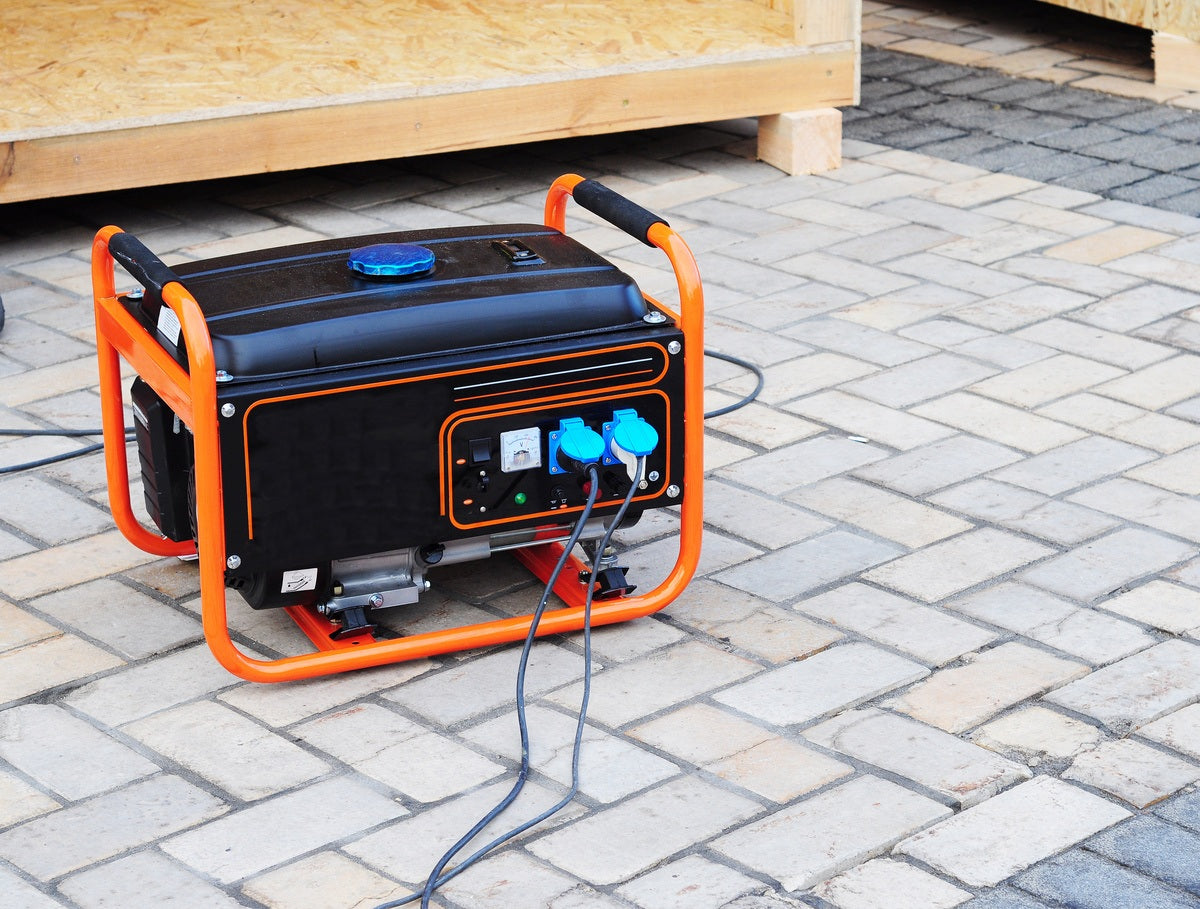
For RV enthusiasts, understanding how to power your adventures is just as important as choosing the perfect route or campsite. Among the most critical components is the generator, which can keep your appliances running smoothly when you’re off-grid. However, there’s a lot of misinformation floating around about RV generators—how they work, what they can do, and when you actually need them.
In this post, we’ll bust the most common RV generator myths and provide clear, practical insights. Whether you’re a novice camper or a seasoned road warrior, understanding the facts can save you money, hassle, and frustration. Plus, we’ll touch briefly on related power essentials, like a battery comparison guide for RVs, to help you make the best energy decisions overall.
All RV Generators Are Loud and Annoying
One of the biggest complaints about RV generators is noise—but this is essentially a thing of the past. Modern RV generators are designed with noise-reduction technology, utilizing sound shields, mufflers, and quieter engines.
- New inverter generators operate at significantly lower decibel levels, providing near-silent operation compared to traditional models.
- Proper placement of your generator on your RV, combined with sound-dampening accessories, further minimizes noise impact.
So, don’t let old assumptions deter you: a quiet generator is achievable and available on the market today.
You Need a Huge Generator to Power Everything
Many RVers believe their generator must be massive to handle household appliances, but size and power needs depend on your setup and usage.
- Calculate your total wattage needs by adding up the starting watts (for equipment like AC units) and running watts for all devices you want to power simultaneously.
- Smaller, efficient inverter generators can handle essential loads, such as lighting, refrigeration, and small appliances, without excessive fuel consumption.
- Overestimating generator size may result in higher upfront costs and unnecessary fuel consumption.
Consult your RV manual and electrical specs to choose a generator sized right for your real-world needs.
Generators Damage RV Electronics
Some RV owners fear that generators cause damage to sensitive electronics, but this is primarily a misconception.
- Modern inverter generators provide clean, stable power output with low harmonic distortion—making them safe for laptops, TVs, and other delicate devices.
- Older generators lacking inverter technology can create spikes or surges, but that’s avoidable by upgrading or using surge protectors.
Choosing a high-quality generator and appropriate safeguards ensures your electronics remain protected while powered.
Gasoline is the Only Fuel Option
While gasoline generators are common, there are other practical fuel alternatives to consider.
- Propane (LP) generators offer quieter operation and cleaner emissions.
- Diesel generators are known for fuel efficiency and longer run times.
- Dual-fuel generators provide flexibility, allowing you to switch between gasoline and propane depending on availability.
Researching the type of generator based on your travel plans, fuel access, and noise considerations can improve your overall experience.
You Can Use a Generator Anywhere, Anytime
Although generators are invaluable off-grid, they come with operational restrictions.
- Many campgrounds and RV parks have noise curfews during quiet hours—usually nighttime—when generators must be turned off.
- Some areas restrict generator usage for air quality reasons.
- Running a generator continuously without breaks puts wear on the engine and increases maintenance needs.
Mixing generator use with solar panels, battery banks, or shore power helps optimize energy availability while respecting community rules and equipment longevity.
RV Batteries and Generators Are Interchangeable Power Solutions
Generators and batteries serve different purposes and work best together rather than as substitutes.
- Generators produce AC power by burning fuel and are excellent for high-load appliances or extended off-grid stays.
- Batteries store DC power and are typically charged by your RV’s engine, solar panels, or generator.
- Using batteries for low-wattage devices and short-term power reduces generator runtime and fuel consumption.
For those seeking complete power system efficiency, consulting a comparison guide helps select complementary battery types—like AGM, lithium-ion, or deep-cycle—that maximize your setup’s performance.
Maintenance of Generators Is Too Complex and Expensive
Generator maintenance might sound intimidating, but with a routine, it’s pretty manageable.
- Basic tasks include changing the oil, replacing air and fuel filters, and running the generator periodically.
- Many manufacturers offer straightforward guides and maintenance kits tailored for RV owners.
- Neglecting maintenance leads to costly repairs and inconvenient breakdowns; therefore, staying on schedule saves both time and money.
Consider establishing a checklist to track your generator’s upkeep seasonally or by usage hours.
Generators Are Environmentally Damaging Gadgets
Generators indeed use fuel, but advances have significantly reduced their environmental footprint.
- Inverter generators consume less fuel and produce fewer emissions than older conventional models.
- Propane generators burn cleaner than gasoline.
- Solar power integration offsets generator use, making your RV system greener overall.
By combining your generator with renewable energy sources and using it efficiently, you can reduce your environmental impact considerably.
Knowing which RV generator myths to discard helps you choose and maintain the right generator for your adventures. Today’s technology offers quieter, cleaner, and more versatile power solutions, precisely tailored to the needs of modern RV travelers. Pairing your generator with the right battery system positions you well for a seamless, dependable energy supply anywhere the road takes you. Exploring in-depth resources helps complete your understanding of the full power equation and maximizes your comfort on the road.
Ready to bust more myths or find the perfect generator model for your RV? Explore trusted reviews and expert advice to power your travels confidently.


