
Top Advanced Features Every Electric Car Should Have
Top Advanced Features Every Electric Car Should Have the world of electric vehicles (EVs) has undergone a remarkable transformation in recent years. As technology advances, expectations surrounding EVs have grown significantly. Today, it’s not just about electric motors and batteries – modern electric cars come equipped with a variety of cutting-edge features that enhance both driving experience and convenience. If you’re considering switching to an electric vehicle, understanding the advanced EV features to look for can help you make an informed choice. From autonomous driving capabilities to smart charging systems, here’s a detailed rundown of the top advanced EV features every electric car should have.
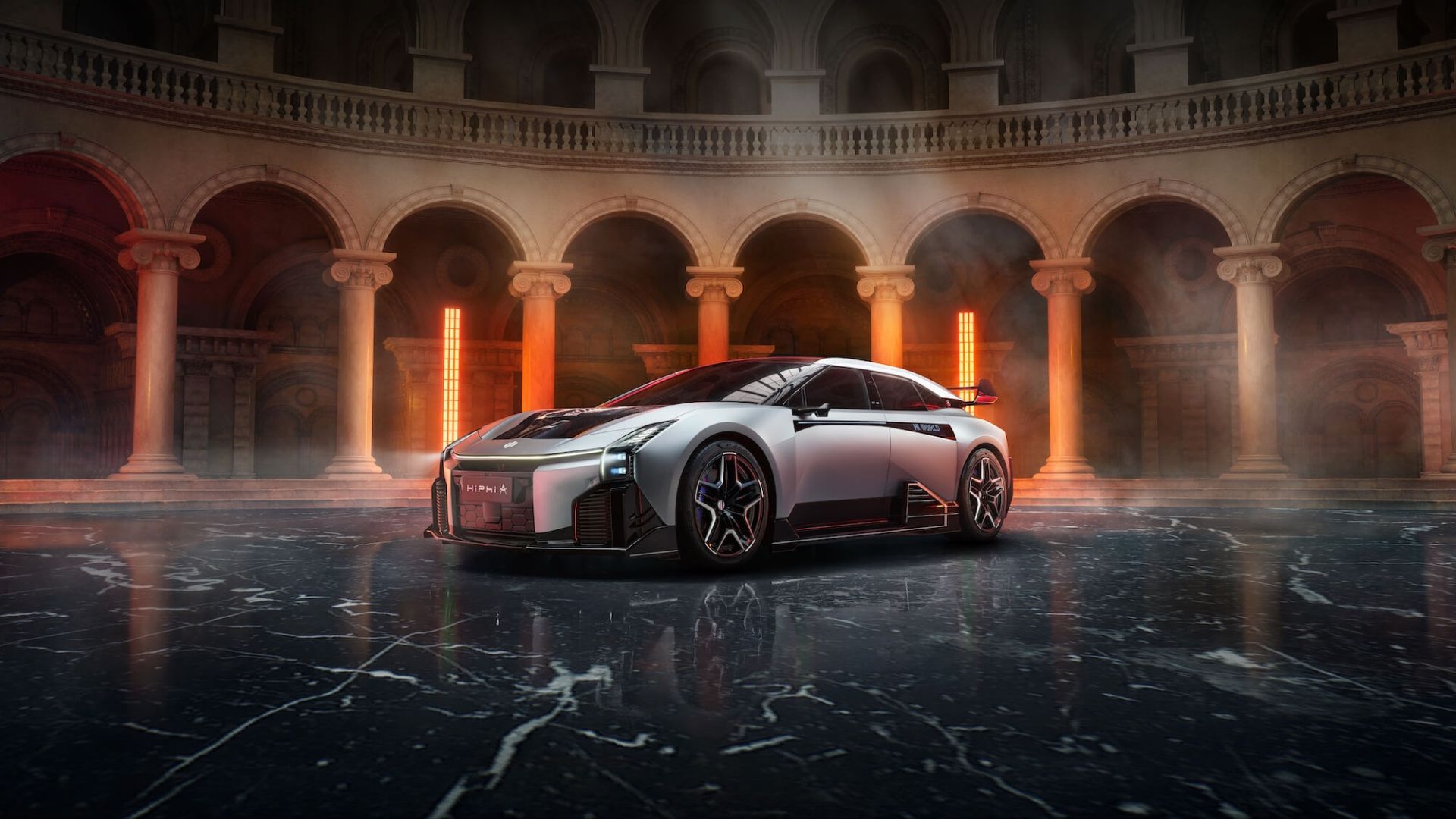
1. Autonomous Driving Capabilities
One of the most eagerly anticipated advanced EV features is autonomous driving. The concept of self-driving cars has fascinated people for years, and while fully autonomous vehicles are still a work in progress, many modern EVs offer semi-autonomous driving capabilities. These systems can make driving safer, easier, and more enjoyable.
Autopilot or autonomous driving systems use a combination of cameras, sensors, and sophisticated algorithms to help cars navigate roads with minimal human input. Popular examples of such technology include Tesla’s Autopilot and Cadillac’s Super Cruise. These systems can steer, accelerate, brake, and even change lanes automatically. They reduce driver fatigue and improve safety. Some systems even offer hands-free driving on highways, making long-distance travel more relaxed.
As technology evolves, future EVs are expected to offer even more advanced autonomous features, potentially paving the way for fully self-driving vehicles. For now, having an EV with features like lane-keeping assist, adaptive cruise control, and automatic emergency braking is a great starting point.
2. Regenerative Braking System
Regenerative braking is one of the most important advanced EV features, and it’s something unique to electric cars. Unlike traditional vehicles, which rely on friction-based braking systems, EVs use regenerative braking to convert kinetic energy into stored electricity. This process not only increases the driving range of the vehicle but also reduces wear and tear on the brakes, making it an essential feature for those looking to maximize their EV’s efficiency.
When you apply the brakes in a traditional car, energy is lost as heat. With regenerative braking, however, the energy is captured and sent back to the battery, helping recharge it. Many electric vehicles offer adjustable regenerative braking, allowing you to choose between more aggressive or mild braking regeneration. Some models even let you control the level of regeneration, tailoring the driving experience to your preferences.
In addition to boosting the vehicle’s range, regenerative braking contributes to a smoother, more comfortable ride and reduces brake maintenance costs over time.
3. Smart Infotainment System
The advanced EV features of today go far beyond just driving. The infotainment system, which integrates with smartphones and smart home devices, is another key feature of modern electric vehicles. These systems allow drivers to stay connected and informed while on the road.
A prime example of an advanced infotainment system is Tesla’s Model S, which features a large touchscreen interface that controls nearly every aspect of the car’s operation – from climate control to navigation. Additionally, many electric vehicles now offer voice command capabilities, allowing drivers to interact with the car without taking their hands off the wheel.
The best infotainment systems integrate seamlessly with apps, navigation, and even offer real-time traffic updates. Some even help you find nearby charging stations. These systems offer an extra layer of convenience, ensuring that you’re always connected during your drive.
4. Smart Charging Capabilities
Charging is a central aspect of owning an electric car, and smart charging systems make this process much easier and more efficient. Many modern EVs are equipped with advanced EV features like smart charging capabilities that allow for flexible and efficient recharging.
For example, many electric vehicles allow you to schedule charging during off-peak hours, which can save you money on electricity costs. Smart charging systems can also help ensure that your EV is fully charged before you head out. Some EVs even offer integration with home solar power systems, allowing you to charge your vehicle using clean, renewable energy.
Tesla’s Supercharger network is another example of a smart charging system, providing rapid charging speeds that significantly reduce wait times during long trips. Remote charging monitoring via smartphone apps adds another layer of convenience, allowing you to track your EV’s charging status from anywhere.
5. Over-the-Air Updates
One of the most innovative advanced EV features is the ability to receive over-the-air (OTA) updates. In the past, software updates for vehicles required a visit to the service center. However, with OTA updates, many modern EVs – especially Tesla – can be updated remotely, ensuring the vehicle’s software is always up to date.
OTA updates can enhance vehicle performance, add new features, or even resolve bugs, all without the need for manual intervention. The updates can be scheduled for overnight installation, allowing drivers to enjoy the latest features and improvements without disrupting their day.
Tesla has pioneered this approach, pushing out software updates that improve battery efficiency, enhance the user interface, and even add new entertainment options. This feature ensures that your car remains cutting-edge without the inconvenience of service visits.
6. Advanced Driver Assistance Systems (ADAS)
Advanced Driver Assistance Systems (ADAS) are another key component of advanced EV features. These technologies use sensors and cameras to assist with driving tasks and improve overall vehicle safety. They include features such as lane-keeping assist, automatic emergency braking, and adaptive cruise control.
ADAS can help reduce the risk of accidents by alerting drivers to potential hazards. Some systems can even take corrective action, such as applying the brakes or steering the car to avoid a collision. Features like automatic parking assist are also included in many modern EVs, allowing the car to park itself.
The inclusion of ADAS in electric vehicles significantly enhances driving safety, making it one of the most sought-after features in today’s market.
7. Customizable Ambient Lighting
In terms of comfort and aesthetics, advanced EV features like customizable ambient lighting are becoming increasingly popular. These systems allow drivers to personalize the interior atmosphere of their vehicle with adjustable lighting colors and intensity.
For example, Tesla and other manufacturers offer customizable lighting options that can change based on mood, time of day, or even your choice of music. This level of personalization adds an element of luxury and comfort, making the driving experience more enjoyable. Some models even sync the lighting to the car’s audio system, creating a dynamic and immersive cabin experience.
8. Vehicle-to-Grid (V2G) Technology
As we move towards sustainability, advanced EV features like Vehicle-to-Grid (V2G) technology are gaining traction. V2G allows electric vehicles to not only draw power from the grid but also return excess energy to the grid. This can help reduce pressure on the electrical grid during peak demand periods.
V2G technology could also make EVs an integral part of the future energy ecosystem, allowing them to serve as mobile storage units for energy. This technology can be particularly useful for homeowners with solar panels, enabling them to store solar energy in their EVs and use it later during peak times.
9. Biometric Vehicle Access
Security and convenience are increasingly important in the automotive industry, and advanced EV features like biometric vehicle access offer both. This feature uses technologies such as fingerprint or facial recognition to allow drivers to access their vehicles without traditional keys.
Biometric security provides an added layer of safety, ensuring that only authorized individuals can unlock and start the vehicle. This feature reduces the chances of losing keys or forgetting them, while also offering a seamless and modern approach to car access.
10. High-Performance Tires
As electric vehicles become more performance-driven, advanced EV features like high-performance tires are essential. Electric vehicles, especially performance-oriented models like the Tesla Model S or Lucid Air, benefit from tires designed to handle the high torque produced by electric motors.
High-performance tires are optimized to maintain excellent traction, stability, and energy efficiency. These tires help enhance driving dynamics, allowing EVs to fully utilize their power and acceleration capabilities. Specialized tires can also improve range and comfort, making them an important addition to any high-end EV.
The electric vehicle market is advancing rapidly, and advanced EV features are making these cars safer, more efficient, and more enjoyable to drive. Whether you’re seeking an electric car that excels in performance or one that offers the latest tech innovations, these features are essential. From autonomous driving capabilities to smart charging, EVs are redefining the way we think about transportation. As technology continues to evolve, we can expect even more groundbreaking features to appear in electric vehicles, further enhancing the driving experience and contributing to a more sustainable future.


